Athletic Performance in Sport Shooting


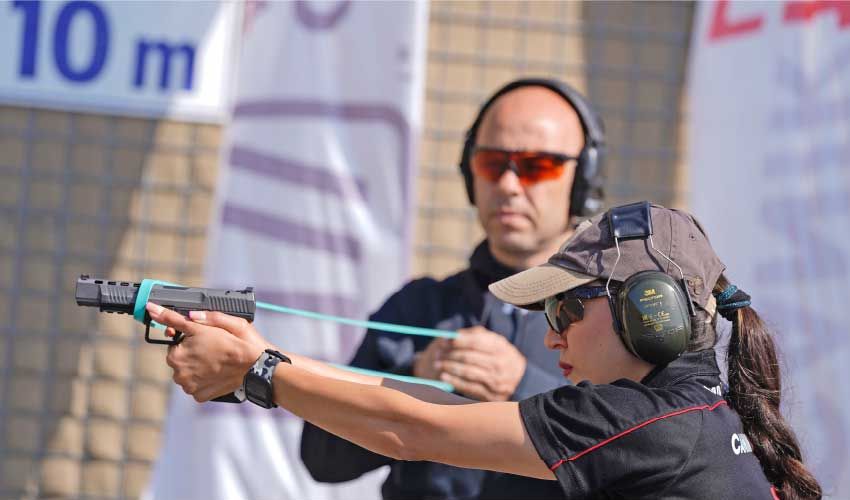
Sport shooting is a sport branch which aims to achieve the highest score with firearms and air pistols following the certain competition rules. Many factors affect competitor performance in this sport, like motivation, focus, attention, environmental and psychological factors, in addition to athlete’s physical and mental capabilities. In dynamic competitions like those organized by IDPA, IPSC, and USPSA, athletic performance becomes a significant factor that affects competitive success (1).
Athletic performance is regarded as the total physical and mental performances sportspeople show in any sportive activity. Athletic performance can be developed through concentrated training programs and activities and is also affected by genetic factors, as studies show.
Athletic performance includes many parameters like strength, endurance, agility, balance, reaction time and body composition that measure physical performance (2).
Internal and External Factors
The factors affecting athletic performance can be classified as two groups: internal and external factors (3).
Internal factors are characteristics with partly related human genetics which can hardly ever be intervened and may have slight changes over time. These characteristics include age, sex, anatomic structure, intelligence, genetic, musculoskeletal system, autonomic nervous system, metabolism, neuromuscular transmission speeds and cardiovascular features are some examples of these internal factors.
External factors, on the other hand, are non-anatomical characteristics which affects indirectly and externally the athletic performance both as physical and mental. They could be changed and developed through the proper conditions and effective intervention techniques. Some could be are temperature, climate, equipment, spectators, social environment, family, economic situation, nutrition, sports injuries, doping, ergogenic aid, disparaging and discouraging comments, time zone difference (jet lag), leisure time, choosing a role model, motivation to be appreciated and training methods. External factors can mostly be changed and improved with certain conditions and interventions.
Measuring and Increasing Gains
Athletic performance of the athletes must be measured and followed up regularly for athletic success. These measurements should be applied under two categories: anthropometric and physiological. Many different measurement methods or equipment can be used for these measurements (3). Anthropometric measurements are body composition (height, weight, body mass index, lean body weight, fat percentage, body water content, basal metabolic rate, etc.), posture measurements, measurements related to somatotype determination (circumference, length and skinfold thickness measurements), flexibility measurements and balance measurements while physiological measurements are blood tests (complete blood count, hemoglobin, enzymes, electrolytes, hormones, etc.), resting heart rate, resting blood pressure, resting and exertional ECG and pulmonary function tests.
Apart from scientific and state-of-the-art training programs, a specially prepared, healthy, and balanced diet is crucial to increase athletic performance gains (4). As with every athlete, competitive shooters must ensure they consume enough macro-nutrients like carbohydrates, fats, and proteins in a balanced manner, intake enough fluids, balance their body mass index and fat percentage, and go through their recovery processes after exercise correctly every single time (5).
It is very important to calculate the daily energy needs of the athletes and ensure they get the required nutrients on time. Insufficient energy or food intake before or after exercise may have adverse consequences like increased risk of reduction in bone and muscle density, hormonal irregularities, exhaustion, or injuries, along with performance loss through a reduction of attention and focus span (6).
REFERENCES
1. Ball, A. K., Best J. R., Wrigley T. V. (2003). Body sway, aim point fluctuation and performance in rifleshooters: Inter And Intrain Dividual Analysis. Journal of Sport Science, 21, 559- 566. Biomechanics Unit, Victoria University, Australia.
2. Kolukısa, Ş., (2017). Investigating the Physiological Changes in Sedentary Women who Exercise. Journal of Current Researches on Social Sciences, 7 (1), 489-496.
3. Bayraktar B, Kurtoğlu M. (2004). Sporda performans ve performans artırma yöntemleri. Atasü T, Yücesir İ, eds. Doping ve futbolda performans artırma yöntemleri, İstanbul. 269-2961.
4. Demirci, Ü. (2012). Sağlık amacı ile egzersiz yapan kişilerde vücut bileşimi, besin desteği kullanımı, beslenme alışkanlıklarının saptanması, Haliç Üniversitesi Sağlık Bilimleri Enstitüsü, İstanbul.
5. Özdemir, G., (2010). Spor Dallarına Göre Beslenme. Spormetre Beden Eğitimi ve Spor Bilimleri Dergisi, 8 (1), 1-6.
6. Thomas, D. T., Erdman, K. A., Burke, L. M., (2016). Position of the Academy of Nutrition and Dietetics, Dietitians of Canada, and the American College of Sports Medicine: Nutrition and Athletic Performance. Journal of the Academy of Nutrition and Dietetics, 116 (3), 501-524.